History preserved without erasing the archive.
This page is a new entrance to the existing historical collection. Older pages and their URLs remain in place; visitors simply gain a clearer way to find them.
Operation “Vistula”
Material concerning the 1947 forced resettlement within postwar Poland.
Genealogy & Villages
Family histories, villages and names in Lemkovyna.
Historical Archives
Photographs, documents and preserved collections.
Maps
Geographic resources for understanding the homeland.
Reminiscences
Personal memories preserving lived experience.
Scholarship
Research concerning Lemko history and culture.
Peremozhne: a memorial preserved in photographs and film
The memorial near Luhansk commemorated Lemko/Rusyn families resettled to Soviet Ukraine in 1944–1946 and recorded the villages from which they came. The inscription itself gives 1944–1947; LEMKO.org preserves the inscription as it appeared while separately noting the historical distinction.
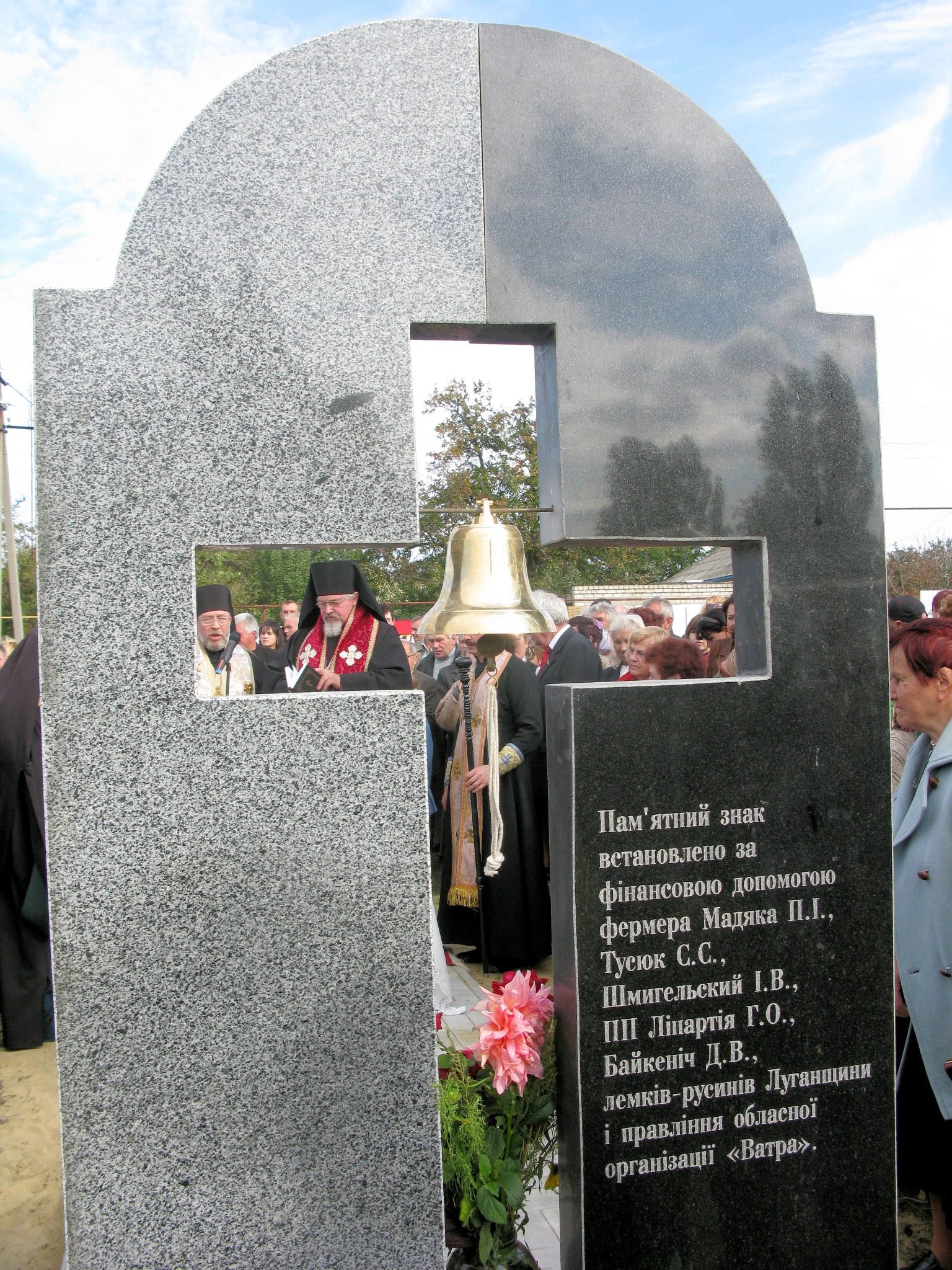
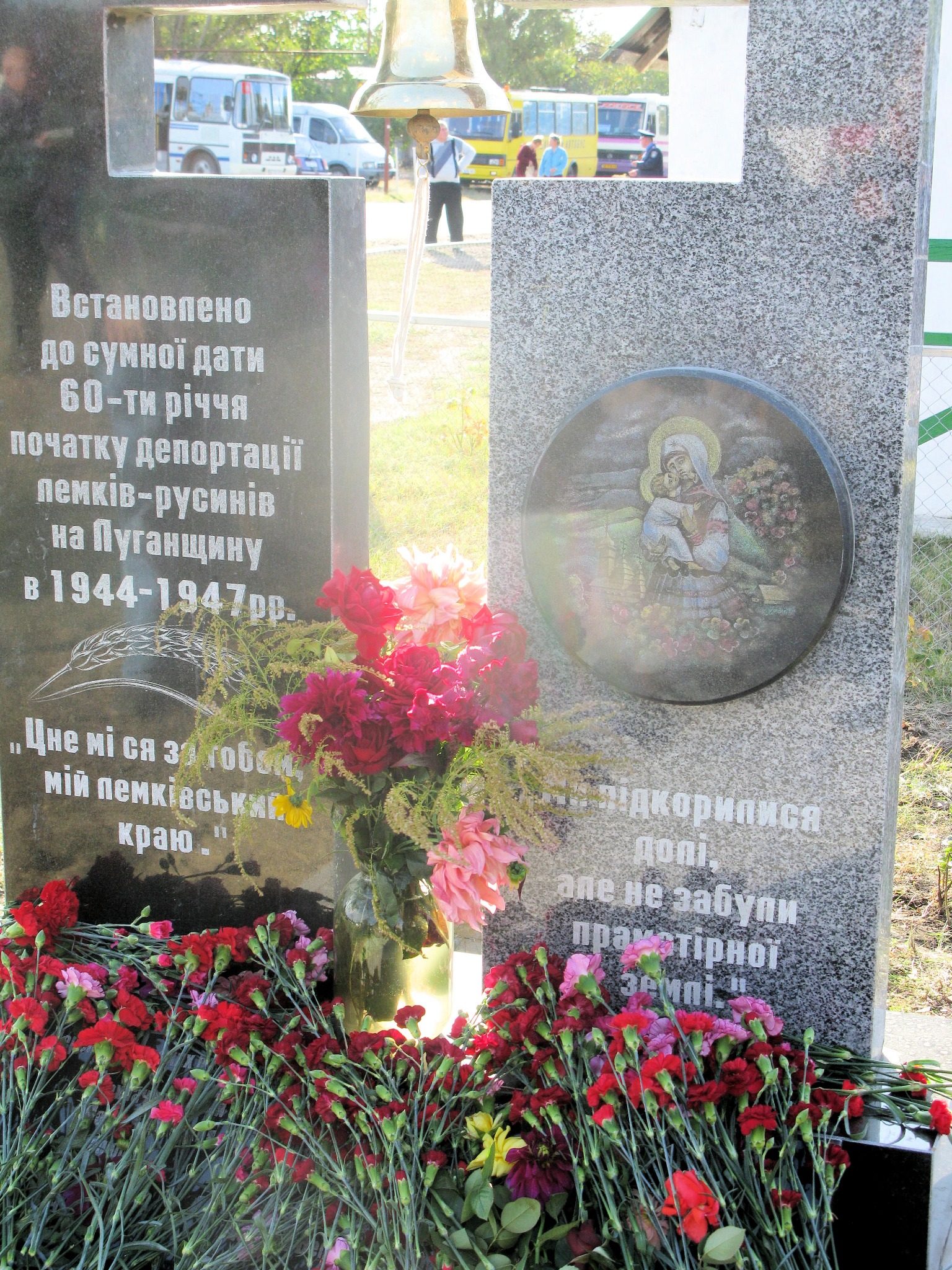
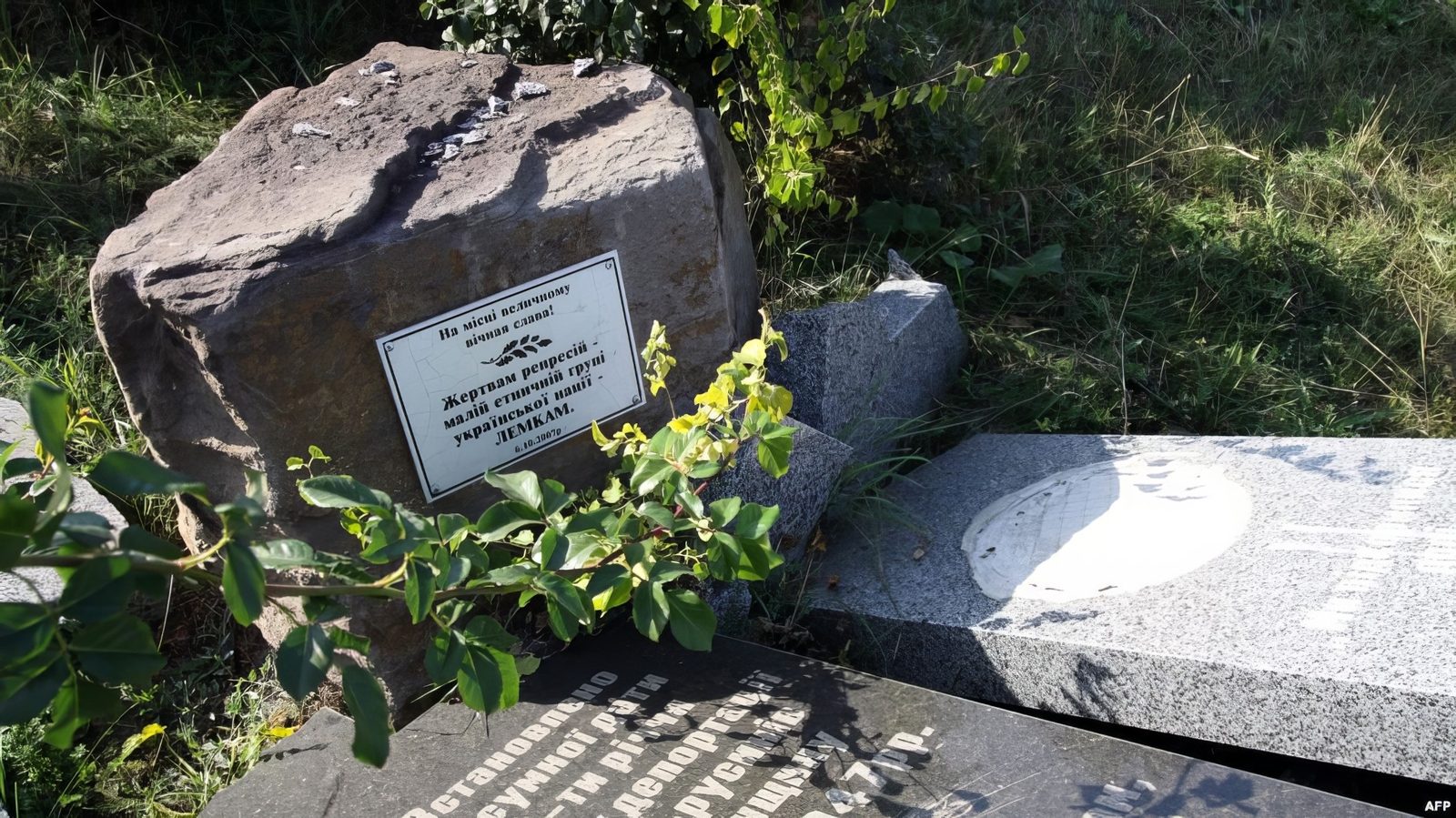
Walter Maksimovich photographed the monument and the Regional Lemko Festival in Peremozhne in October 2008. In 2015, a Peremozhne-born Lemko acquaintance communicated with him about the damage and supplied or directed him to documentation showing the monument destroyed. In renewed correspondence in 2026, the source stated that an armored vehicle drove over the monument in 2014 and identified those involved as predominantly Kadyrov-aligned fighters and Buryats. The specific composition of the forces is preserved here as attributed community testimony unless independently corroborated.
Watch the 2008 Peremozhne Festival film on LemkoHUB Visit LemkoHUB
The old site remains underneath.
The remaster creates modern entrances while preserving historical URLs, encodings and original files until each collection can be handled safely.
Move from the broad story into the preserved sources.
Forced Resettlement
Follow the 1944–1946 transfers to Soviet Ukraine and the 1947 Operation “Vistula” into the deeper collections.
Villages & Families
See historical events through the communities and families whose lives they changed.
Photographs & Documents
Continue from historical overview into preserved primary material.
Historical Geography
Place villages, movements and events within the geography of Lemkovyna.
Research & Interpretation
Compare archival evidence with later historical and academic analysis.
How to Read the Archive
Understand the difference between original sources, testimony, scholarship and modern editorial notes.
Related historical collections
Wisła collection → · Mychaliw 2005 photographs → · Watra 1990 → · Watra 2005 →
More to explore
- History Chronology — Follow major periods and events through a concise chronological guide.
More to explore
- Zyndranowa Collection — Explore preserved material connected with Zyndranowa and Lemko historical memory.